1. Safety check
Before sorting begins, the crew checks for hazards such as sharp objects, pests, mold and unstable piles. Protective gear is chosen to match.
Clifton Gardens, NY · Saratoga County
Trying to figure out how to clean a hoarder's home in Clifton Gardens? You do not have to carry it alone. Call (877) 812-4220 for help with heavy lifting, disposal, disinfecting and a respectful pace.
If anyone is in danger, call 911 first. For a suicide crisis, call or text 988.
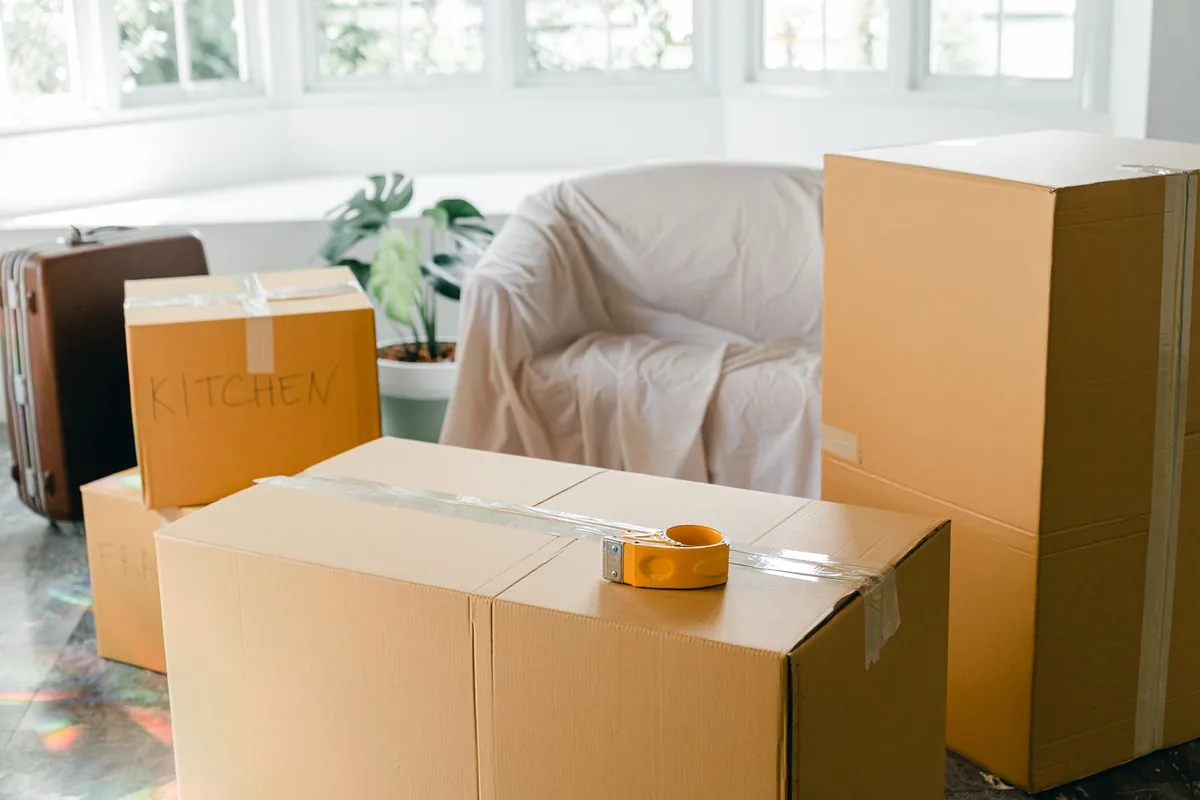
Hoarding is a recognized mental health condition, and hoarding cleaning is the practical side of recovering a home from it. Crews clear pathways, haul out released items and clean and disinfect the affected area.
Your house, mobile home, apartment or storage area in Clifton Gardens can get hoarder cleanup that follows OSHA bloodborne pathogen rules when blood or sharp objects are found. Call Clifton Gardens Biohazard Cleanup Help for help in Saratoga County.
Most homes in Saratoga County are owner-occupied, with about 28% rented. Owners and their families usually decide the pace and what stays. Only about 44% of homes in Saratoga County predate 1980, yet newer houses can still hold crowded rooms, blocked exits and pest problems.
Hoarding Cleanup in Clifton Gardens usually includes:
Before sorting begins, the crew checks for hazards such as sharp objects, pests, mold and unstable piles. Protective gear is chosen to match.
Some people prefer short visits, others long days. The plan is set around the resident, not around the clock.
Items go into keep, donate and remove groups. Spoiled food and unsafe items leave first.
Each room is cleaned and disinfected once it is clear. Kitchens and bathrooms get the closest attention.
Most hoarding cleanup jobs in Clifton Gardens, NY cost between $500 and $25,000, based on published cost guides.
Stairs, narrow paths and parking distance change the price because they change how long the work takes. Travel from Schenectady can matter too.
| Type of job | Typical range |
|---|---|
| Level 4 | $5,000 - $15,000 |
| Level 3 | $2,000 - $5,000 |
| Level 1, light | $500 - $1,500 |
| Level 5, severe | $10,000 - $25,000+ |
Estimates only, not a quote. Sources: Dropcurb, Lifecycle Transitions. Price drivers include level of accumulation, home size, whether exits and rooms are blocked, pests or animal waste. Call (877) 812-4220 to talk through the job.
Avoid calling their belongings trash, saying the home is disgusting or telling them to just throw things out. Never move items without asking. Ask what matters most to them, listen, and offer to help at their pace.
Not always, but it often helps. When the resident is present, sorting goes more smoothly and decisions are respected. If the resident cannot attend, the family or caller can set clear rules about what is kept.
There is no single age. Hoarding behaviors can begin early in life and often become more noticeable over time, so many families only seek help later. A doctor can speak to an individual situation.
Most often the resident or the property owner pays, and family members sometimes share the cost. In a rental, the lease and local law decide between landlord and tenant. Some local aging services or housing agencies help in some places, so it is worth asking.
Hoarding disorder is a recognized mental health condition. Whether it counts as a disability for housing or work depends on the situation and the law. A tenant rights group, a housing agency or an attorney can answer for a specific case.
Hoarding is often described in levels, and level one is the lightest. Clutter is present but exits and pathways are open, utilities work and rooms can still be used. Higher levels bring blocked rooms, sanitation problems and safety hazards.
Residents, relatives and landlords are all welcome to call.
Call (877) 812-4220